

Recognizing Hand, Foot, and Nail Injuries That Need Care
Hands and feet absorb constant impact, and the line between a minor jam and a real injury is hard to judge without a clinical look. The structures packed into your fingers, toes, and nails, including tiny bones, tendons, nerves, and the nail matrix, can sustain damage that isn’t always obvious from the outside.
Visit a provider if you experience:
- Swelling, bruising, or pain in a finger or toe that worsens over several hours
- Inability to bend, straighten, or bear weight on the affected hand or foot
- A fingernail or toenail that is partially or fully detached
- Blood pooling under a nail (subungual hematoma) that causes throbbing pressure
- A toe or finger that appears crooked, shortened, or rotated after an impact
- An ingrown toenail with redness, swelling, or drainage
Seek emergency care if you notice:
- A finger or toe that is cold, pale, or numb after an injury
- An open fracture with bone visible through the skin
- Rapid swelling that prevents you from removing a ring or a shoe
- A deep puncture wound to the palm or sole of the foot
For any non-emergency issues, our experienced providers at Prisma Health Urgent Care can give you a clear picture of what’s going on and the right path forward.
What Leads to Hand, Foot, and Nail Injuries?
Hand, foot, and nail injuries can happen during activities you do every day, from sports and exercise to chores and work tasks. The type of force, the angle of impact, and the specific structure involved all shape how the injury presents and how your care provider will approach it.
Hand & Finger Injuries
Common hand and finger injuries are a frequent reason patients visit urgent care, especially those involving outdoor activities, sports, and home projects. Many of these injuries happen suddenly and can include cuts and lacerations, jammed or sprained fingers, fractures, and crushed fingertips. Everyday situations like catching a ball the wrong way, slipping while working with tools, or accidentally slamming a finger in a door can quickly lead to pain, swelling, and limited movement.
Foot & Toe Injuries
Foot and toe injuries are often caused by sports, outdoor activities, workplace incidents, or simple accidents at home. Some of the most frequent injuries include sprained or fractured toes, puncture wounds from stepping on sharp objects, bruised heels, turf toe, and injuries from dropping heavy items on the foot. Patients may also seek care for painful swelling, difficulty walking, or nail injuries affecting the toes.
Nail Injuries
Hand and toenail injuries often occur during sports, physical work, or everyday accidents. These injuries may include torn or partially detached nails, crushed nails from dropping heavy objects, painful nail bed injuries, painful ingrown toenails, or bleeding beneath the nail (known as a subungual hematoma). Nail injuries can be especially uncomfortable and may lead to swelling, pressure, and difficulty using the affected finger or toe.
Diagnosing Hand, Foot, and Nail Problems On-Site
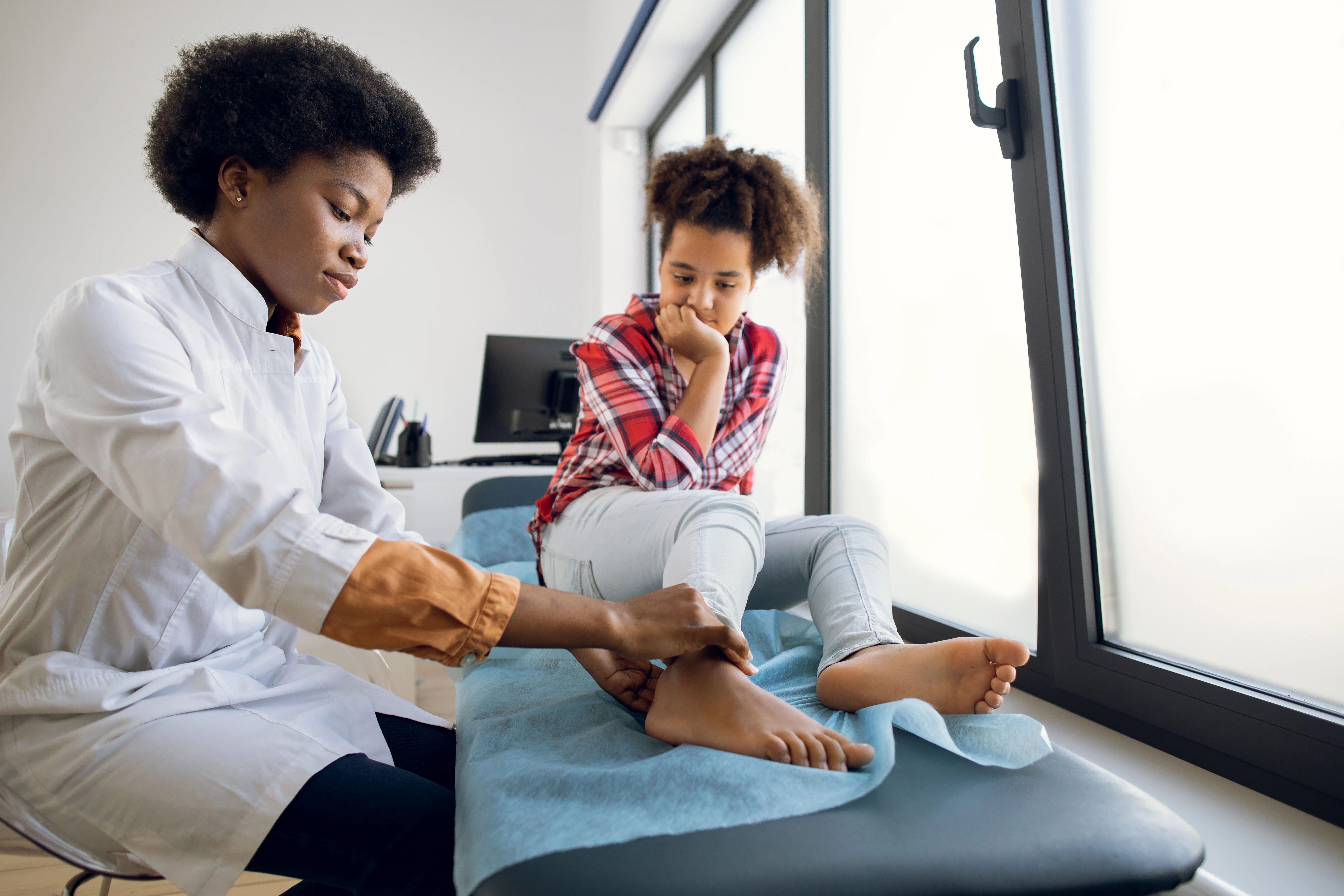
At Prisma Health Urgent Care, your provider begins by asking how the injury happened and testing the range of motion, strength, and sensation in the affected hand or foot. These functional checks reveal problems that a visual inspection alone would miss, such as tendon damage or subtle joint instability.
For suspected fractures, most of our South Carolina locations offer on-site X-ray with same-visit results. This is especially important for the hands and feet, where the bones are small, and fractures can be difficult to detect. For nail injuries, your provider inspects the nail bed and surrounding tissue to determine whether the matrix has been damaged and whether the nail can be preserved.
Your evaluation may also include:
- Circulation and capillary refill testing in the fingers or toes
- Tendon function assessment to ensure you can flex and extend fully
- Nerve sensation checks across specific zones of the hand or foot
- Nail bed evaluation to guide decisions about repair or removal
Getting a thorough evaluation early on protects the long-term function of your hands and feet, as delayed care may lead to stiffness, chronic pain, or permanent changes in grip and gait.
Expert Hand, Foot, and Nail Care for Every Injury
Your treatment plan at Prisma Health Urgent Care is shaped by the specific structure involved and what your provider finds during the exam. The goal is always to protect function, reduce pain, and set you up for the best possible recovery.

Treatment may include:
- Buddy taping, splinting, or a walking boot for fractures and sprains in the hands or feet
- Nail trephination (draining blood from under the nail) to relieve pressure and pain
- Partial or complete nail removal when the nail bed needs repair
- Ingrown toenail treatment, including edge removal and aftercare guidance
- Pain management recommendations specific to your injury and activity needs
- Referrals to hand surgery, podiatry, or orthopedics for complex cases
Your provider will explain exactly what to expect during recovery, including how to care for a splint, when to return for follow-up, and what activities to modify while you heal. If a prescription is needed, we can send it to your pharmacy before you leave.
Each Prisma Health Urgent Care location welcomes walk-in or book-ahead visits seven days a week. Visit us to get prompt, dependable care for hand, foot, and nail concerns.